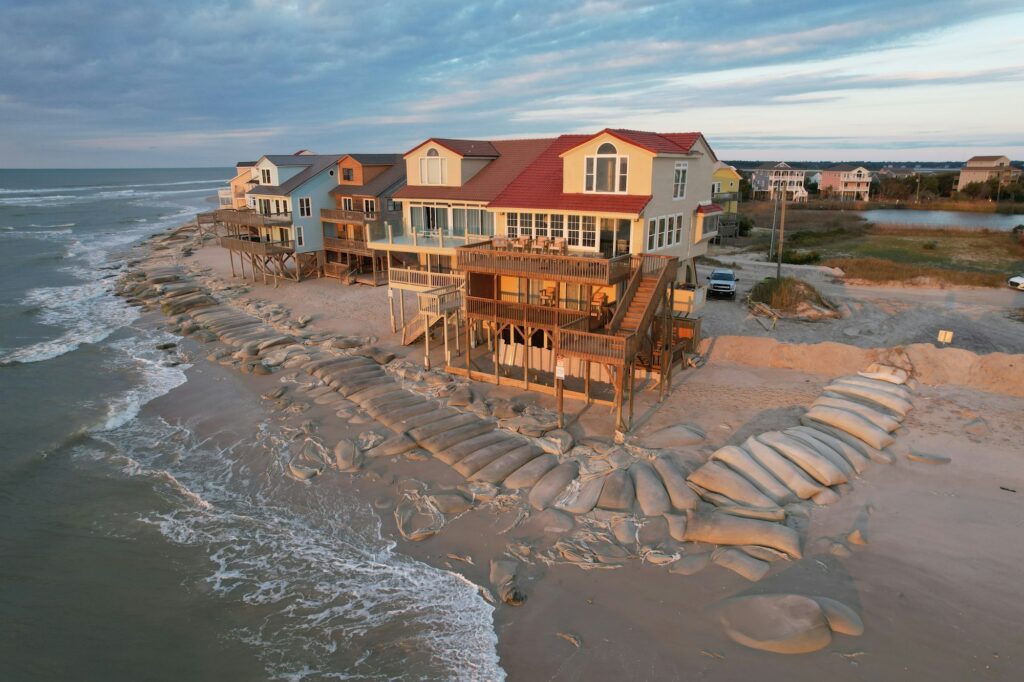
Travel Insurance for a Grand Strand Beach Trip: What to Ask Before You Buy
Booking a week at the beach in August or September is a great way to catch warm water and thinner crowds. It also means traveling during the busiest part of hurricane season. That is the moment many families start asking about travel insurance. This guide is general information, not advice. Policies vary widely, and the only way to know what a specific plan covers is to read it and talk to a licensed insurance agent.
What travel insurance usually is
Travel insurance is a bundle of coverages sold for a specific trip. Plans differ, but common pieces include:
- Trip cancellation, which may reimburse prepaid, nonrefundable costs if you cancel for a covered reason.
- Trip interruption, which may help if you have to cut a trip short for a covered reason.
- Travel delay, for certain costs when you are stuck en route.
- Medical and evacuation coverage, more relevant for international travel but sometimes included.
- Cancel for any reason upgrades, offered by some providers, which typically reimburse only part of the cost and come with strict timing rules.
The hurricane question
Weather is where many travelers get surprised. Policies often treat a storm as covered only if it was not yet named or forecast when the policy was purchased. Once a storm has a name, buying a policy for that storm usually will not help. That is why people who want weather protection often buy insurance soon after booking.
Policies also differ on what counts as a covered weather event. Some require that your lodging be uninhabitable, some respond to a mandatory evacuation order, and some cover only certain delays. Ask an agent to walk you through the exact wording.
Check your rental first
Before buying anything, read your rental agreement or hotel policy. Some vacation rental companies on the Grand Strand offer their own refund policies for mandatory evacuations, and some offer optional protection plans. Others offer no refund at all if you choose to cancel. Knowing what the rental already provides helps you avoid paying twice for the same protection, or assuming coverage you do not have.
Questions to bring to a licensed agent
- Does this plan cover cancellation if a mandatory evacuation is ordered for my lodging’s area?
- What if there is no evacuation, but a storm is forecast and I simply do not want to go?
- When must I buy the policy to be eligible for weather-related coverage?
- Are pre-existing medical conditions covered, and under what conditions?
- What documents will I need to file a claim?
- Does my credit card already offer any trip protection?
A simple approach
Decide what you can afford to lose if the trip does not happen. If that number is small, you may be comfortable without coverage. If it is large, a properly chosen policy may bring peace of mind. Either way, get your answers from the policy document and a licensed professional, not from a sales page or a friend’s story. Then enjoy the planning, because most late-summer trips to the Grand Strand go off without a hitch.
Reading a Policy Before You Buy
Insurance documents can be long, but a few sections answer most of the questions beach travelers have. When you look at a plan, focus on these areas:
- The covered reasons list. This section spells out exactly which events can trigger cancellation or interruption benefits. Look for language about weather, hurricanes, evacuations and uninhabitable lodging.
- The exclusions. Exclusions describe what is not covered. They are just as important as the benefits.
- The definitions. Terms like “foreseeable event,” “uninhabitable” and “mandatory evacuation” are often defined in a specific way. These definitions shape what is actually covered.
- Purchase timing rules. Some benefits require buying within a certain period after your first trip payment.
- Claim requirements. Note what proof you will need and how long you have to file.
If anything is unclear, write down the question and ask a licensed agent to point you to the section that answers it.
Keeping Records That Help a Claim
If you ever need to file a claim, organized records make the process far easier. Start a simple trip folder, on paper or on your phone, as soon as you book:
- Your rental agreement or hotel confirmation, including the cancellation terms
- Receipts for every prepaid cost, such as lodging, deposits, tours and activities
- A copy of the insurance policy and proof of purchase
- Any messages from your rental company or hotel about a storm or cancellation
- Copies of official evacuation orders or advisories, if they affect your trip
- Notes on calls with providers, including dates and names of representatives
Common Travel Insurance Mistakes
Waiting until a storm is on the map. As noted above, this often means weather coverage will not apply to that storm.
Insuring the wrong amount. Covering more than your nonrefundable costs may not bring extra benefits, and covering less may leave a gap. Ask how the trip cost should be calculated.
Assuming a credit card covers everything. Some cards offer limited protection. The terms can be narrow, so read the benefits guide.
Forgetting the rest of the group. If you are traveling with extended family, check whether each household needs its own coverage.
Questions Travelers Ask About Beach Trip Coverage
Is travel insurance worth it for a short drive-in trip?
It depends on what you would lose if you had to cancel. For a trip with mostly refundable costs, it may not be necessary. For a large, nonrefundable rental, it may be worth discussing with an agent.
Does a storm forecast count as a reason to cancel?
Often not, unless the policy specifically says so or you have a cancel-for-any-reason benefit. Ask for clarity on this point.
Can I change my dates instead of canceling?
Some rentals allow rescheduling in certain situations. Ask your rental company first, since flexible dates may solve the problem without a claim.
As always, this is general information. A licensed insurance professional can help you decide what fits your situation.
What if my plans change for a reason that has nothing to do with weather?
Illness, a family emergency or a work conflict may or may not be covered, depending on the plan and how it defines covered reasons. This is another reason to read the policy before you buy, not after something goes wrong. If you are comparing plans, list the non-weather situations that worry you most and ask an agent how each plan would treat them.